
Small Checks Now Can Stop Big Brake Damage Later
A brake inspection helps catch worn pads, weak fluid, damaged rotors, and other small problems before they turn into major repairs. When these parts are checked on time, drivers can avoid extra wear, poor stopping power, and expensive damage to other brake parts. In Lewisville, TX, regular brake checks can also help drivers stay safer in daily traffic and changing road conditions.
Why Prevention Matters
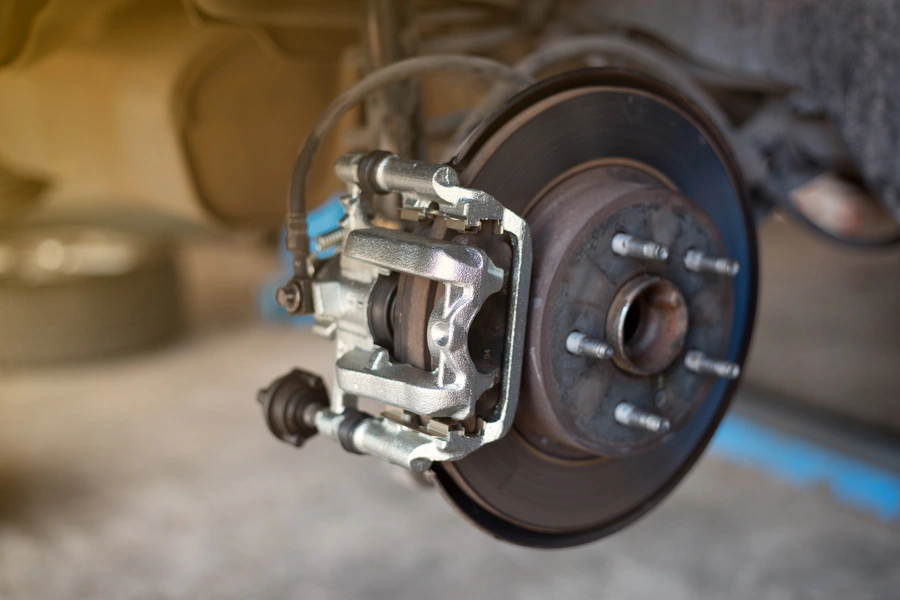
Your brakes work every time you drive. That means they wear down a little more each day. A small issue, like a thin brake pad, may not seem serious at first. But if that pad wears out all the way, metal can grind against the rotor. Then a simple fix can turn into a much bigger repair. That is why brake inspection matters. It helps find trouble early, when the fix is often faster and less costly.
Regular checks can also help spot leaks, heat damage, uneven wear, and loose hardware. These problems may start small, but they rarely stay small for long. When one brake part fails, it often puts stress on other parts too.
Early Warning Signs
Many brake problems give early signs before they become severe. Paying attention to these signs can help you act before damage spreads.
- Squeaking or squealing when you press the brake pedal
- Grinding sounds from the wheels
- A soft or spongy brake pedal
- The car pulling to one side while braking
- Steering wheel shaking during stops
- A brake warning light on the dash
- Longer stopping distance than usual
These signs do not always mean the same thing, but they all point to a need for a closer look. For example, a squeal may mean the pads are worn. A shake may mean the rotors are uneven. A soft pedal may mean air or moisture in the brake fluid. The sooner these issues are checked, the less likely they are to harm the full system or other service category components tied to safe driving.
Seasonal or Routine Checklist
A simple routine can go a long way. Drivers do not need to wait for a loud noise or warning light. A basic schedule helps catch wear before it gets worse.
- Have the brake pads checked at regular service visits.
- Inspect rotors for grooves, heat spots, or rough surfaces.
- Check brake fluid level and condition.
- Look for leaks around calipers, lines, and hoses.
- Test for even braking and pedal feel.
- Listen for new sounds during slow and normal stops.
- Ask for a full brake inspection before long trips.
Season changes can also affect brake performance. Wet roads, road salt, and stop-and-go traffic may add wear. If you drive in heavy traffic, carry loads often, or make frequent short trips, your brakes may wear faster than expected.
Best Practices for Long-Term Results
Good driving habits can help your brakes last longer. Smooth stops are easier on pads and rotors than hard, sudden braking. Leaving more space between cars helps reduce brake stress. It also helps to avoid riding the brakes on long downhill roads. That extra heat can wear parts faster and lower braking performance.
Routine service matters too. Fresh brake fluid helps the system work the way it should. Clean, working hardware helps pads move the right way. Even tire condition can affect how the car stops. A full approach to car care supports brake health over time.
Another good habit is acting fast when something changes. A new sound, smell, or feel should not be ignored. A short delay can turn pad wear into rotor damage, or a small leak into weak braking power.
What Not to Do
Some choices make brake problems worse. Many drivers try to wait until the noise gets louder, but that often means the damage is already spreading. Others replace one part but skip the rest of the system check. That can leave hidden wear behind.
It is also a mistake to treat every brake noise as minor. A squeal can be an early warning. A grind often means metal-to-metal contact, which can damage rotors fast. Ignoring a soft pedal is risky too, since it can point to fluid trouble or air in the lines.
Do not assume brakes are fine just because the car still stops. Many worn parts keep working for a while before they fail more fully. A routine brake inspection is a safer way to measure actual condition.
When to Schedule Professional Help
Some brake checks are best left to a trained technician. If you hear grinding, feel shaking, notice fluid loss, or see a warning light, professional service is a smart next step. The same goes for uneven braking or a pedal that feels too soft or too hard.
A professional can measure pad thickness, inspect rotor condition, test fluid, and check the full braking system for hidden wear. That can help stop repeat repairs and keep one failing part from damaging others. Even if the problem seems small, a proper brake inspection can show what is really happening and what should be fixed now.
Many drivers also schedule checks before road trips, after a rough winter, or when buying a used car. Those are good times to catch brake wear before it causes trouble on the road.
Get Help Before Small Brake Issues Grow
If you have noticed brake noise, weak stopping, or other warning signs in Lewisville, TX, we can help check the system and explain what it needs. At Lewisville Car Care, we focus on finding problems early so repairs do not grow larger than they need to be. Call us at (972) 436-8166 to schedule a visit with our team.