Modern Testing Can Spot Engine Trouble Before Major Damage Starts
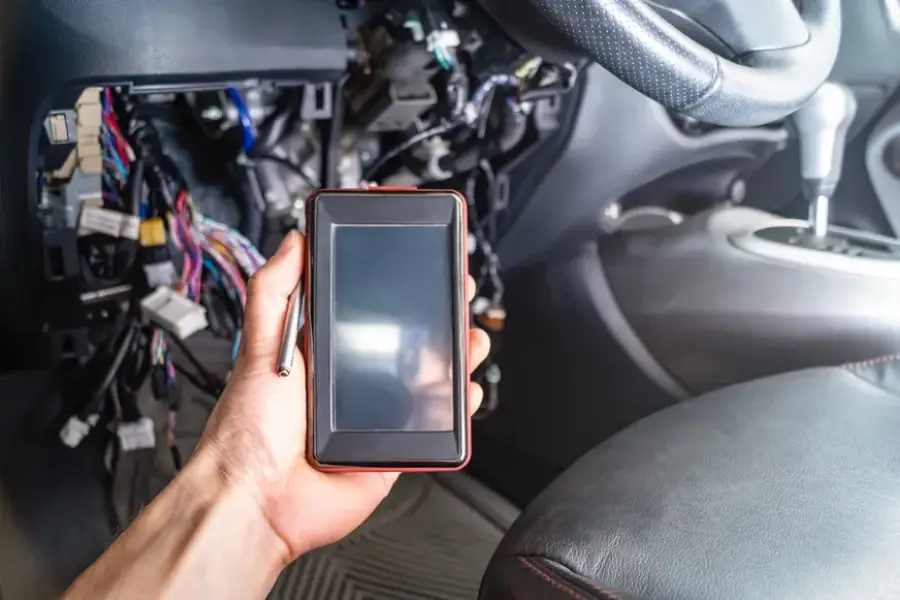
Car diagnostic testing helps find hidden engine problems by reading fault codes, checking sensor data, and comparing how the engine should run with how it is running now. This can reveal trouble that you may not hear or feel yet. A warning light, rough idle, poor gas mileage, or slow starting can all point to engine issues that are not easy to see during a basic check.
Quick Diagnosis Summary
Many engine problems start small. A weak sensor, fuel delivery problem, ignition fault, or air leak can build over time. car diagnostic tools help narrow down the source fast. They do not just say that something is wrong. They help show where the issue began and what systems are affected. This saves time and helps prevent guessing.
In some cases, a vehicle seems fine except for one small sign, like a light shake at a stop. In other cases, the engine may lose power when you speed up. A scan tool can detect patterns in data that point to hidden trouble, even before a part fails fully. That is one reason many drivers use car diagnostic service when a problem feels small but does not go away.

Common Symptoms
Hidden engine issues do not always make loud sounds right away. Some signs are easy to miss during daily driving. If you catch them early, repairs are often simpler.
- check engine light comes on
- engine shakes at idle
- slow or hard starting
- drop in fuel economy
- loss of power when driving
- strange smells from the engine area
- engine runs hot
- misfiring or jerking during acceleration
These signs can come and go. That can make the problem harder to track without proper testing. A hidden fault may only show up when the engine is cold, under load, or after driving for a while.
Likely Causes
Engine issues can come from many places. Some are electrical. Some are mechanical. Some are caused by wear from normal use. car diagnostic work helps sort through these causes in a more direct way.
Common causes include bad spark plugs, failing ignition coils, weak fuel pumps, dirty fuel injectors, vacuum leaks, clogged air filters, failing oxygen sensors, mass air flow sensor faults, and thermostat problems. In some cases, the issue may be deeper, like low compression, timing trouble, or internal engine wear.
Even a loose gas cap can trigger a warning light, but a scan alone is not the full story. The real value comes from reading codes, checking live data, and matching the information with the symptoms. That gives a clearer picture of what the engine is trying to say.
What to Check First
If your car starts acting up, there are a few simple things to check before repairs begin. These steps can help you spot obvious problems and give useful details during a car diagnostic visit.
- Look for warning lights on the dash.
- Listen for new sounds like knocking, ticking, or hissing.
- Notice when the problem happens, such as cold starts or highway driving.
- Check fluid levels, especially oil and coolant.
- Look under the hood for loose hoses or visible damage.
- Pay attention to smells like fuel, burning oil, or coolant.
These checks do not replace full testing, but they can help point the search in the right direction. They can also help separate a minor issue from one that needs fast attention.
Safe Fixes Vs Pro-Level Fixes
Some engine-related fixes are simple and safe for many drivers. Replacing an old air filter, tightening a gas cap, or changing worn spark plugs may solve a minor issue. If the problem is clear and the part is easy to reach, a basic fix may be enough.
Other issues need more skill and tools. Fuel pressure testing, sensor signal checks, smoke testing for leaks, and compression testing are better left to trained techs. The same goes for wiring faults, timing issues, and internal engine problems. These jobs often need special tools and a strong understanding of how systems work together.
Trying to guess at the problem can waste money. Replacing parts one by one without test results often leads to more frustration. car diagnostic results help avoid that by giving evidence instead of guesses.
Prevention Tips
Routine care can lower the chance of hidden engine trouble. Small service steps help the engine stay clean, cool, and properly timed. They also help sensors and fuel systems work the way they should.
- change oil on time
- replace filters as needed
- keep up with tune-ups
- watch for coolant leaks
- do not ignore warning lights
- use the correct fuel and fluids
- have drivability issues checked early
It also helps to act when you notice even a small change. A rough idle today can turn into a breakdown later. A simple scan and inspection can catch a weak part before it causes damage to other parts around it.
Final Recommendation
If your vehicle has a warning light, rough running, or power loss, a car diagnostic check is a smart next step. It helps uncover hidden engine issues before they grow into bigger repairs. Drivers in Lewisville, TX can save time by getting tested when symptoms first appear. At Lewisville Car Care, we use our experience and tools to find the source of the problem and explain the next steps clearly. Call us at (972) 436-8166 to schedule a visit or ask about your engine concerns.