
Routine Checks Help Drivers Stop Sooner and Avoid Bigger Problems
Regular brake inspection improves vehicle safety because it helps catch worn parts before they fail on the road. A small issue, like thin brake pads or low brake fluid, can grow into a much bigger problem if it gets ignored. Drivers in Lewisville, TX depend on safe stopping in traffic, rain, and sudden road hazards. Finding trouble early helps lower the risk of longer stopping distances, strange noises, and loss of control during a hard stop.
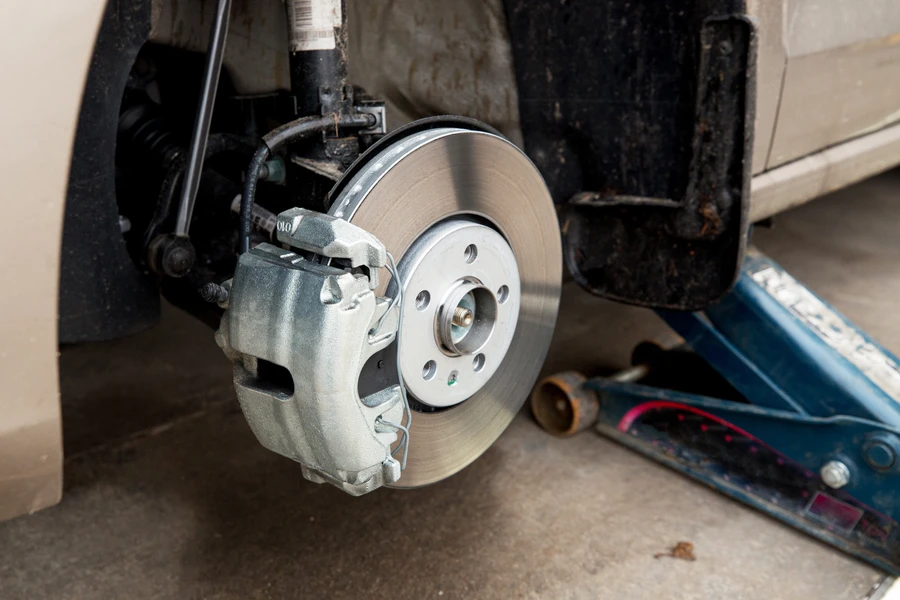
Why Prevention Matters
Your brakes work every time you slow down, stop at a light, or avoid something in the road. That means they face heat, friction, and wear every day. A regular brake inspection helps spot damage before it turns into unsafe driving. It can also help protect other parts of the braking system, which may wear faster when one part is not working right. Preventive care is often simpler than waiting until the brakes feel weak or sound bad.
Think about a common driving moment. You are moving through a busy street when the car ahead stops fast. In that split second, your brakes need to respond right away. If pads are worn down or rotors are damaged, your vehicle may need more distance to stop. Even a short delay can matter. That is why routine checks are a smart part of vehicle care and general service category maintenance.
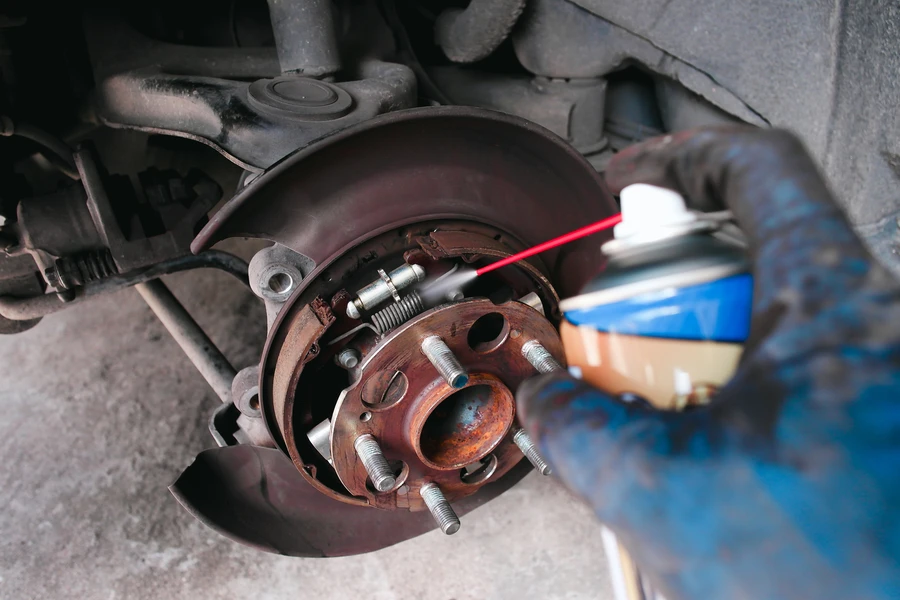
Early Warning Signs
Many brake problems start with small signs. These signs may seem easy to ignore at first. Still, they often point to wear that should be checked soon. Paying attention early can help drivers stay safer and avoid more damage.
- Squeaking or grinding when you press the brake pedal
- A soft, spongy, or low brake pedal
- The car pulling to one side when braking
- Shaking or vibration during stops
- A brake warning light on the dash
- A burning smell after heavy braking
- Longer stopping distance than normal
Any one of these signs can mean your brake pads, rotors, calipers, or fluid need attention. Some issues develop slowly. Others can change fast, especially after heavy use or bad weather. That is why it helps to act early instead of waiting for a full brake failure.
Seasonal or Routine Checklist
Brake care works best when it follows a simple schedule. You do not need to wait for a warning light or loud noise. Many drivers benefit from having their brakes checked during normal vehicle service visits, before long trips, and as seasons change.
- Listen for new sounds when stopping.
- Notice if the pedal feels different than usual.
- Check for warning lights on the dashboard.
- Watch for pulling, shaking, or slow stopping.
- Have brake pads measured for wear.
- Ask for rotor condition and fluid level to be checked.
- Get the system inspected before road trips or towing.
Seasonal changes can also affect brake performance. Wet roads can reduce traction. Winter grime can add wear. Summer heat can put more stress on braking parts during stop-and-go traffic. A routine brake inspection helps drivers stay ready through these changes.
Best Practices for Long-Term Results
Good driving habits can help brakes last longer and work better. Smooth stops are easier on the system than hard braking. Leaving more space between vehicles also gives you more time to slow down. This reduces heat and stress on the pads and rotors.
It also helps to follow your vehicle maker’s service schedule. Brake fluid should be checked and changed when needed. Worn parts should be replaced as a set when that makes sense for your vehicle. Clean, working brake hardware supports steady stopping and more even wear. A regular brake inspection gives a clear picture of how the whole system is doing, not just one part.
If you drive in heavy traffic, carry heavy loads, or take lots of short trips, your brakes may wear faster. In those cases, more frequent checks may be a good idea. A vehicle that works hard needs closer attention than one that is driven lightly once in a while.
What Not to Do
Some drivers wait until the brakes make a loud grinding sound before getting help. That can lead to bigger repairs and less safe driving. Grinding often means the pads are worn down far past their useful life. At that point, metal parts may be rubbing together.
It is also not a good idea to ignore a soft pedal, warning light, or sudden change in stopping feel. These signs can point to fluid loss, air in the lines, or uneven braking force. Trying to guess the cause without a proper check can lead to more risk. Another mistake is replacing one visible part while skipping related worn parts that affect performance.
Drivers should also avoid putting off service after rough driving, mountain trips, or towing. These situations put extra heat into the brake system. Even if the car still stops, hidden wear may already be there.
When to Schedule Professional Help
It is time to schedule professional help when you notice any warning sign, before a long trip, or when your vehicle is due for routine maintenance. A trained technician can inspect pad thickness, rotor wear, fluid condition, and other key parts. This kind of check helps find problems that are hard to spot from the driver’s seat.
Professional service is also a smart step if your car has uneven braking, repeated squealing, or shaking during stops. These issues may involve more than simple pad wear. Catching them early can help restore safe, steady stopping and reduce added wear on nearby parts.
Get Help With Safer Stopping
If your vehicle needs a brake inspection, we can help drivers across Lewisville, TX spot trouble early and stay safer on the road. At Lewisville Car Care, we check the full braking system and explain what we find in plain language. Call us at (972) 436-8166 to schedule a visit and let our team help keep your vehicle ready to stop when it matters most.